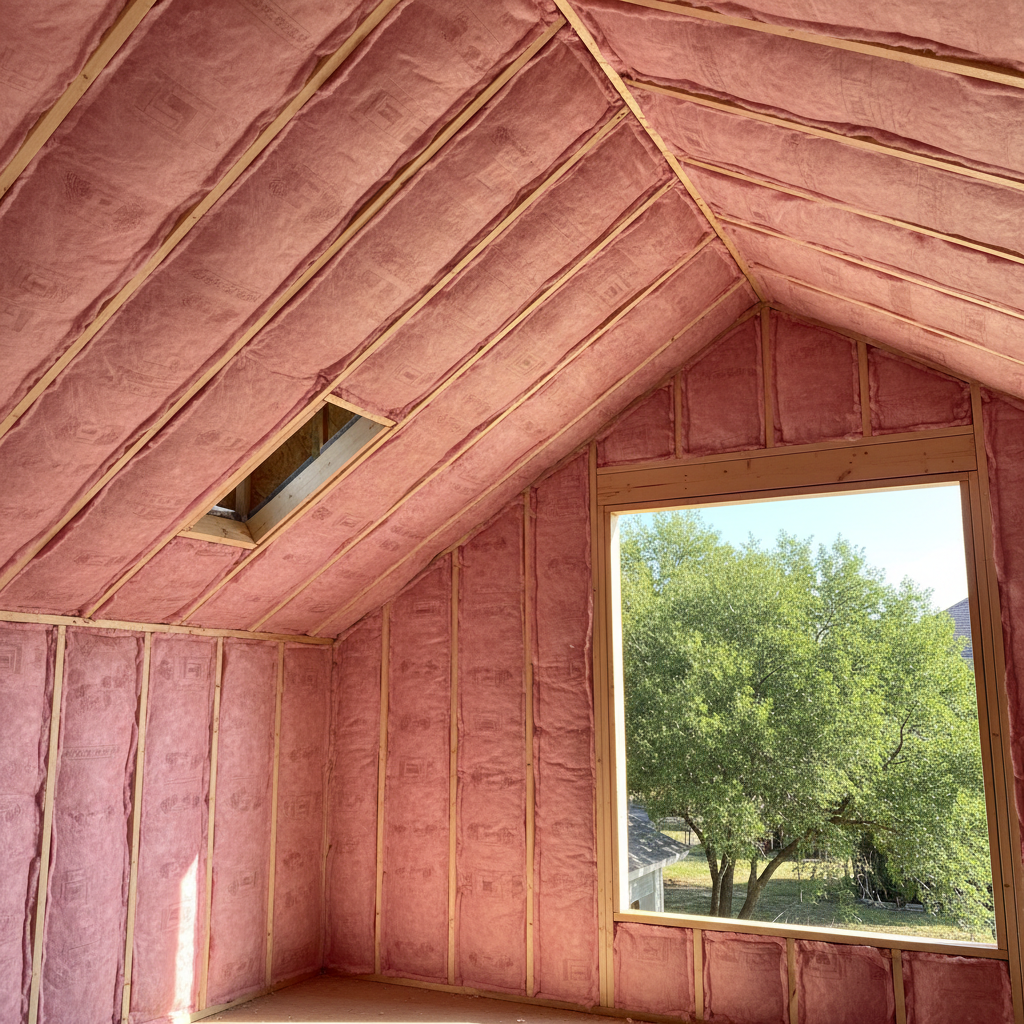
Wondering what batt insulation is going to cost you in Irving? It's a fair question, and one I get asked a lot. You're not just buying insulation; you're investing in comfort, energy savings, and a quieter home. But let's be real, you also want to know the bottom line. I'm here to give you the straight scoop on batt insulation pricing, what influences it, and how to make sure you're getting good value.
What Affects the Price of Batt Insulation?
It's never a one-size-fits-all answer when it comes to insulation costs. A few key things really move the needle on the final price:
- The Type of Batt Material: Fiberglass is the most common and usually the most affordable. Mineral wool (rock wool) is denser, offers better fire resistance and sound dampening, but it's also pricier. Cotton or denim batts are eco-friendly options, but they'll cost you more than fiberglass.
- R-Value and Thickness: R-value is the insulation's resistance to heat flow. The higher the R-value, the thicker the batt, and generally, the more expensive it is. For attics in our climate zone here in Irving, you're typically looking at R-38 to R-60. Walls might be R-13 or R-15, and floors R-19 or R-30.
- Area to Be Insulated: This one's obvious, right? More square footage means more material and more labor. Whether it's an attic, walls, crawl space, or a whole house, the size of the job is a primary factor.
- Accessibility of the Area: This is a big one. Is it an open, easy-to-reach attic? Or are we talking about tight crawl spaces, walls that need to be opened up, or a second-story addition with tricky angles? Difficult access means more time and effort for my crew, and that adds to the cost.
- Removal of Old Insulation: If you've got old, damaged, or contaminated insulation (think rodent droppings or water damage), it needs to come out. That's an extra service, and it involves labor, disposal fees, and sometimes specialized equipment. This can add a significant amount to the project.
- Prep Work and Sealing: Before we even put in new batts, we often recommend air sealing. Plugging up those tiny cracks and gaps around pipes, wires, and framing makes your insulation much more effective. It's an extra step, but it pays off big time in energy savings.
Typical Cost Ranges for Batt Insulation in Irving
Alright, let's talk numbers. Keep in mind these are averages for our area, and your specific project might be higher or lower depending on those factors I just mentioned. These prices usually include material and installation.
- Attics (Open, Easy Access): For fiberglass batts, you're generally looking at $1.00 to $2.50 per square foot for R-38 to R-60. If you need old insulation removed, add another $0.75 to $1.50 per square foot.
- Walls (New Construction/Open Cavity): For R-13 or R-15 fiberglass batts, expect around $0.75 to $1.50 per square foot. If we're talking about existing walls where we have to open them up, that gets much more complex and expensive, often $4.00 to $8.00 per square foot or more, as it involves drywall repair.
- Crawl Spaces/Floors: These can range from $1.25 to $3.00 per square foot, depending on accessibility and the R-value needed. Crawl spaces can be a real pain to work in, especially if they're low clearance or damp, which is common in some older Irving neighborhoods with pier and beam foundations.
So, for a typical 1,500 sq ft attic needing R-38 fiberglass batts, you might estimate anywhere from $1,500 to $3,750. If old insulation needs removal, add another $1,125 to $2,250 on top of that.
What Should Be Included in Your Quote?
When you get a quote from Irving Spray Foam Insulation (or anyone else), make sure it's clear and comprehensive. A good quote should itemize:
- Material Costs: Type of insulation, R-value, and quantity.
- Labor Costs: Hourly rate or flat fee for installation.
- Preparation Work: Any air sealing, baffling, or clearing debris.
- Old Insulation Removal: If applicable, including disposal fees.
- Permits: Some larger projects might require one, though most insulation jobs don't.
- Warranty Information: On both materials and workmanship.
- Cleanup: What they'll do to leave your home tidy.
How to Avoid Overpaying for Batt Insulation
You work hard for your money, and I get that. Here's how to make sure you're getting a fair deal:
- Get Multiple Quotes: Don't just go with the first company you call. Three quotes is a good number to compare.
- Check References and Reviews: See what other homeowners in Irving are saying about the contractors.
- Understand the R-Value: Don't let someone upsell you on an R-value you don't need, but also don't skimp on what's recommended for our climate.
- Ask About Incentives: Sometimes there are local utility rebates or federal tax credits for insulation upgrades. It's worth checking!
- Don't Focus Solely on Price: The cheapest quote isn't always the best. Quality installation makes a huge difference in performance. A poorly installed batt, with gaps and compression, won't perform at its rated R-value, no matter how good the material is.
- Read the Fine Print: Make sure everything you discussed is in writing. No surprises later.
Investing in insulation is a smart move for your home. By understanding these factors, you'll be able to make an informed decision and get the best value for your money.