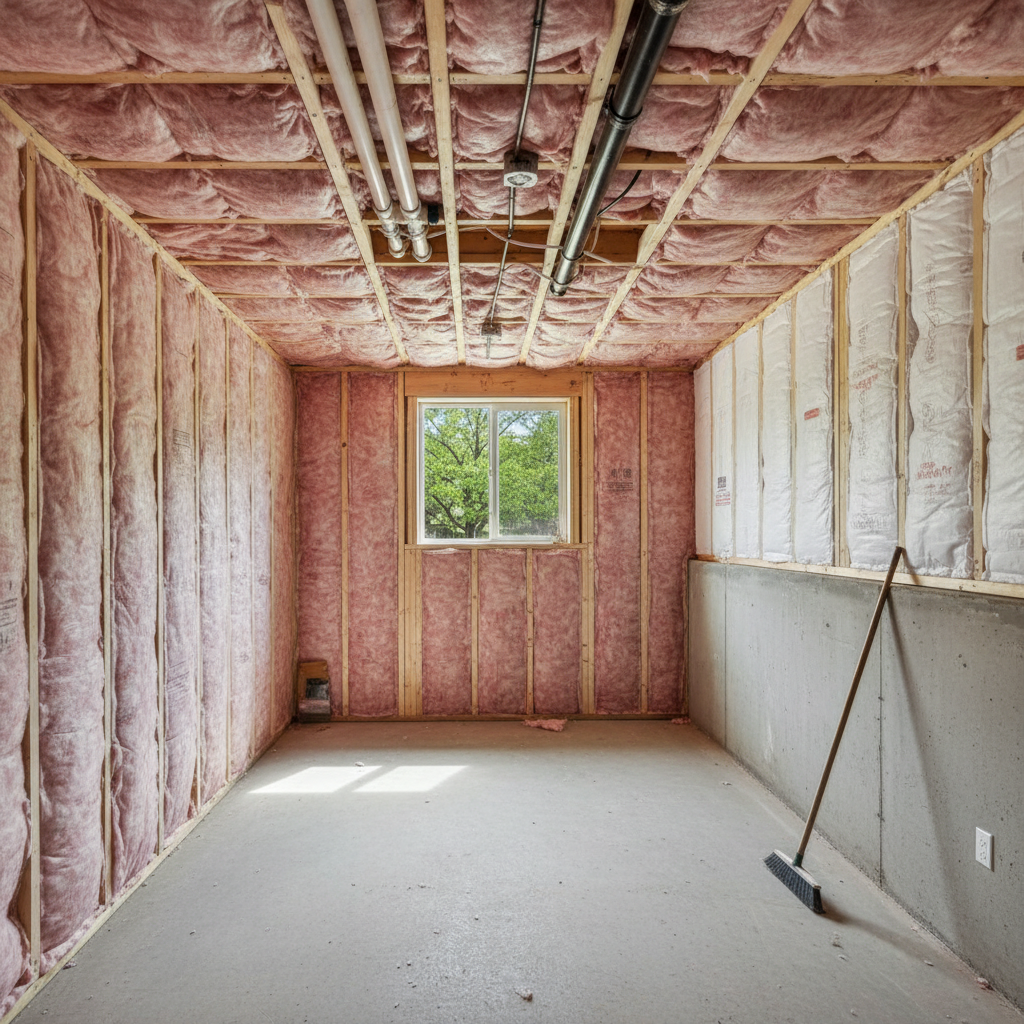
Ready to finally tackle that cold, damp basement? Good for you! Insulating your basement is seriously one of the smartest moves you can make for both comfort and your energy bills. Especially here in Irving, with our scorching Texas summers and those occasional winter chills, it just makes sense. But, I've seen plenty of folks around town make some pretty common — and honestly, expensive — blunders when they're planning or hiring for this kind of project. Let's dig into what you absolutely need to avoid.
Mistake #1: Not Dealing with Moisture First
This is a huge one, probably the most important, really. You can't just slap insulation onto a wet wall and expect some kind of miracle. In fact, you'll likely make things a whole lot worse. Basements, especially older ones or those in areas with high water tables (like parts of Las Colinas, for instance), can have moisture problems. And it's not always obvious, either. You might not see standing water, but constant dampness or efflorescence — that white powdery stuff — on your walls? That's a giant red flag.
Before you even begin to think about insulation, you absolutely have to fix any water getting in. That means checking for cracks, making sure your exterior drainage is working right, and maybe even looking into interior drain tile systems. If a contractor tries to sell you insulation without asking about your basement's moisture history or doing a thorough dampness inspection, that's a big warning sign. Seriously, you're just asking for mold, mildew, and ruined insulation down the road.
Mistake #2: Picking the Wrong Insulation for Basements
Not all insulation is the same, especially when it comes to basements. I often see people just assume they can use the same fiberglass batts they'd put in an attic. That's a major mistake. Fiberglass soaks up moisture like a sponge, and once it's wet, its R-value drops like a rock. Plus, it turns into a perfect breeding ground for mold. You definitely don't want that in your home.
For basements, you need materials that can actually handle potential moisture. Rigid foam boards (like XPS or polyiso) are a solid choice because they resist moisture and create a thermal break. Spray foam, which is our specialty at Irving Spray Foam Insulation, is another excellent option. It forms an air and vapor barrier, sealing out moisture and drafts while delivering a high R-value. It might be a bit more of an upfront cost, but it really pays off big time for comfort and durability in a basement.
Mistake #3: Forgetting About Air Sealing
Insulation only gets you halfway there. If you don't air seal, it's like putting a warm coat on someone who's standing in a wind tunnel. Cold air will still sneak in through tiny cracks, gaps, and openings in your basement walls and around the rim joist. This leads to drafts, cold spots, and higher energy bills, even if your insulation's R-value is technically high.
A good basement insulation project always includes thorough air sealing. This means caulking around pipes, wiring, and windows, and using expanding foam for any bigger gaps. The rim joist, where your house frame meets the foundation, is a well-known culprit for air leaks and needs extra attention. Make sure your contractor has a clear plan for air sealing, not just for putting in insulation.
Mistake #4: Not Checking Out Your Contractor Properly
This one applies to everything, but it's especially true for specialized jobs like basement insulation. Don't just pick the cheapest bid. I know everyone wants to save a buck, but cutting corners here can cost you way more in the long run. Ask for references, check their online reviews, and make sure they're licensed and insured. Ask specific questions about their experience with basement projects, not just general insulation work, okay?
A reputable contractor will:
- Do a thorough inspection on-site, not just give you a quote over the phone.
- Ask about any existing moisture problems and how they plan to fix them.
- Explain the different insulation options that work for basements and why they recommend a particular one.
- Give you a detailed proposal that spells out the work, materials, and warranty.
- Be upfront about their process and answer all your questions.
If someone seems pushy, vague, or tries to rush you into a decision, just walk away. Your basement is a crucial part of your home's foundation, and you want it done right the first time.
Getting your basement insulation done correctly can really transform a cold, unused space into a comfortable, energy-efficient part of your home. Just make sure you steer clear of these common mistakes, and you'll be much happier with the outcome.