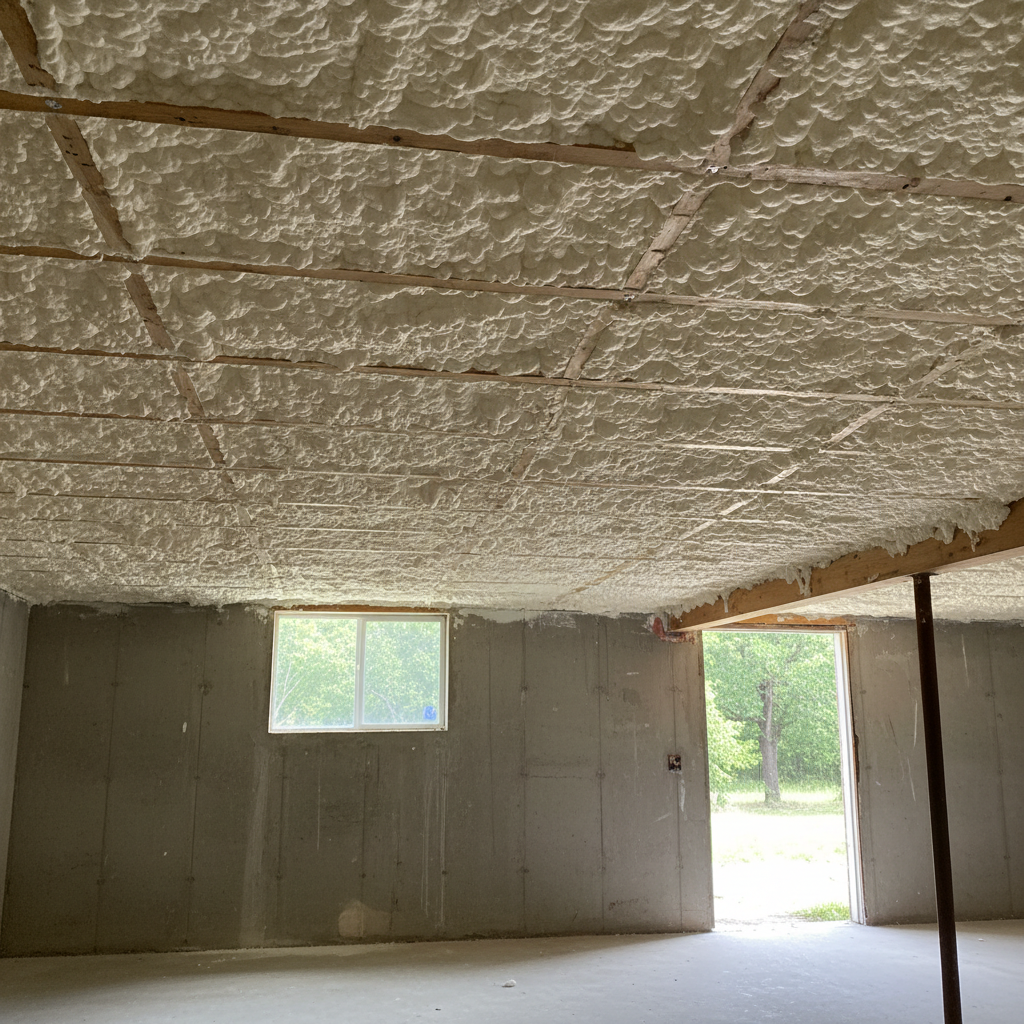
Is Your Irving Basement a Cold, Damp Cave? Let's Fix That.
You know the feeling. You head down to the basement, and it's like stepping into a different climate zone. Cold, maybe a little musty, definitely not somewhere you want to hang out. That's a common problem for a lot of homes around here, especially older ones in areas like the Hospital District or those built on slab foundations. Insulating your basement isn't just about comfort; it's about protecting your home, saving on energy bills, and making that space truly usable.
So, you're thinking about tackling it. Good for you! But before you grab a utility knife and a stack of fiberglass, let's talk about what you can realistically do yourself and when it's time to call in someone like us at Irving Spray Foam Insulation.
Before You Start: Planning & Prep
This is probably the most crucial stage. Skimping here will cost you more time and money later. Trust me, I've seen it.
- Check for Moisture: This is non-negotiable. If you have any water intrusion – even just damp spots after a heavy rain – you HAVE to fix that first. Insulating over moisture problems is asking for mold, rot, and a much bigger headache. Look for cracks in the foundation, signs of efflorescence (white powdery stuff), or a consistently damp smell. You might need to improve exterior drainage, seal cracks, or even consider an interior drainage system. Don't skip this step.
- Clear the Space: Get everything out of the way. You'll need clear access to the walls, rim joists, and any areas you plan to insulate.
- Identify Your Walls: Are they poured concrete, concrete block, or framed walls? This dictates your insulation approach. Poured concrete and block walls need specific attention to prevent moisture issues.
- Understand Local Codes: Irving has building codes. You need to know what's required for basement insulation, especially regarding fire blocking and vapor barriers. Don't assume. A quick call to the city's building department can save you a lot of grief.
DIY-Friendly Basement Insulation Tasks
Okay, so you've checked for moisture, cleared the space, and you're ready to get your hands dirty. Here's what many homeowners can handle themselves:
- Insulating Rim Joists: This is a big one for energy savings and often overlooked. The rim joist is that band of wood around the perimeter of your floor framing where the foundation meets the first floor. It's a huge source of air leaks and heat loss. You can cut rigid foam board (like XPS or polyiso) to fit snugly into each rim joist cavity and seal the edges with canned spray foam or caulk. This is a fantastic DIY project that makes a noticeable difference.
- Adding Insulation to Existing Framed Walls: If your basement already has framed walls (2x4s or 2x6s), you can often add batt insulation (fiberglass or mineral wool) between the studs. Just make sure the insulation is unfaced or that any facing is on the warm-in-winter side (which is usually the interior side in our climate). Be careful to cut it to fit well, leaving no gaps. Don't compress it too much, or you'll lose its R-value.
- Sealing Air Leaks: Before any insulation goes in, go around with a can of expanding foam sealant or caulk and seal up any cracks, gaps, or penetrations (like where pipes or wires go through walls). This is critical for comfort and energy efficiency.
When to Call a Pro (Like Us)
Some jobs are just better left to the experts. Not only for safety and effectiveness but also for long-term peace of mind. Here's when you should definitely pick up the phone:
- Insulating Unfinished Concrete/Block Walls: This is where it gets tricky. You can't just slap batt insulation directly onto concrete. You need to create an air gap, a vapor barrier, and often a framed wall in front of it. If you don't do it right, you're trapping moisture against your foundation, which is a recipe for mold and structural issues. We often recommend closed-cell spray foam for direct application to concrete or block walls because it acts as an air barrier, vapor barrier, and insulation all in one shot. It's incredibly effective, but it's not a DIY job.
- Dealing with Significant Moisture Issues: If you've got standing water, major cracks, or persistent dampness, you need a waterproofing specialist first. Don't try to insulate your way out of a water problem.
- If You Want Spray Foam: This is our bread and butter. Spray foam insulation, especially closed-cell, is fantastic for basements. It conforms to every crevice, creates an airtight seal, and offers a high R-value per inch. But it requires specialized equipment, training, and safety gear. It's not a DIY product. If you're looking for the best performance and a truly sealed, dry basement, give Irving Spray Foam Insulation a call. We've got the experience to do it right, safely, and efficiently.
- When You're Finishing the Basement: If you're turning that cold basement into a living space, you want the insulation done perfectly. This is a big investment, and professional insulation ensures comfort, energy efficiency, and compliance with building codes.
After the Insulation: What's Next?
Once the insulation is in, whether you did some of it or we did it all, you'll notice a difference pretty quickly. The basement will feel more comfortable, less drafty, and probably less humid. Keep an eye on your energy bills; you should see some savings there too.
If you've installed insulation on exposed walls, you'll likely need to cover it with a fire-rated material like drywall for safety, especially if it's a living space. Again, check those local codes. Don't leave insulation exposed if it's not rated for it.
Basement insulation is a solid investment in your home's comfort and value. Do what you can, but don't hesitate to bring in the pros when the job calls for it. Your home (and your wallet) will thank you.