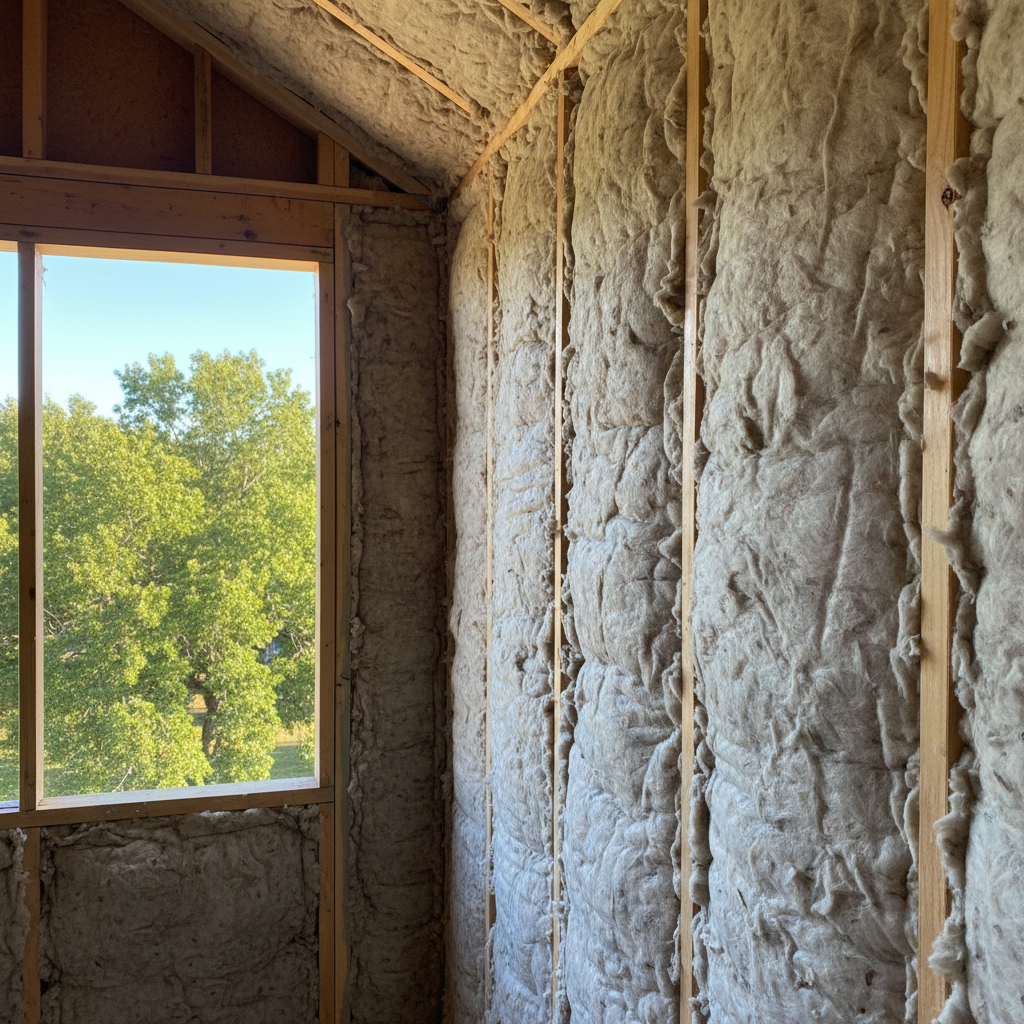
So, you're looking at that old, dusty insulation in your attic or walls and thinking, "Time for an upgrade." Good on you for recognizing it! But before you grab a shovel and a trash bag, let's talk about insulation removal. It's not always as simple as it looks, and there are some real health and safety considerations you need to be aware of.
Before You Start: What's Up There?
First things first: identify what kind of insulation you're dealing with. This is crucial for safety and figuring out your next steps. Is it fluffy fiberglass batts? Loose-fill cellulose? Maybe some old rock wool? The age of your home in Irving can give you a big clue. If your house was built before the 1980s, especially in older neighborhoods like those around the Heritage District, there's a chance you could have vermiculite insulation, which sometimes contains asbestos. And yes, even if it's just old fiberglass, it's still full of tiny glass fibers that you don't want in your lungs or on your skin.
You'll also want to check for signs of pests – rodents, insects, birds. They love to nest in insulation, and they leave behind droppings and urine that can contaminate the material. Water damage is another big one. Leaky roofs or pipes can soak insulation, leading to mold and mildew. If you see any of these issues, your DIY project just got a lot more complicated, and potentially hazardous.
When DIY Might Be Okay (and When It's Absolutely Not)
Okay, so you've assessed the situation. When can you tackle this yourself?
- Small, Contained Areas: If you're just removing a small section of uncontaminated fiberglass batts to run a new wire or fix a small ceiling patch, and you're confident it's clean and dry, you might be able to do it yourself.
- No Hazardous Materials: This is non-negotiable. If there's any suspicion of asbestos (vermiculite, old pipe insulation, certain types of old blown-in), mold that covers more than a small, easily managed area, or extensive pest contamination, stop right there.
- Proper Gear: Even for a "simple" job, you need serious personal protective equipment (PPE). We're talking a full-face respirator with P100 filters, disposable coveralls, gloves, and eye protection. Don't skimp here. You don't want fiberglass itch or worse.
Now, when should you absolutely call in the pros? Pretty much any time you have:
- Asbestos suspicion (vermiculite, old pipe wrap).
- Extensive mold growth.
- Significant pest infestations (rodents, raccoons, birds).
- Water-damaged insulation over a large area.
- Blown-in insulation (cellulose or fiberglass) – this stuff is messy and requires specialized vacuum equipment to remove efficiently and cleanly.
- Lead paint dust or other hazardous materials in the vicinity that could be disturbed.
- Any job that feels too big or too risky for you. Your health isn't worth saving a few bucks.
The Removal Process: What to Expect
If you decide to go the professional route, here's what Irving Spray Foam Insulation will typically do. We're not just pulling stuff out; we're doing it safely and efficiently.
- Containment: We'll seal off the work area from the rest of your home to prevent dust and contaminants from spreading. This usually involves plastic sheeting and negative air pressure machines.
- PPE: Our crews will be in full protective gear, just like I mentioned, but often more extensive, especially for hazardous materials.
- Specialized Equipment: For loose-fill insulation, we use powerful, industrial-grade insulation vacuums that suck the material directly into large bags or a truck-mounted system outside your home. This keeps the dust out of your living space.
- Thorough Cleaning: After removal, we'll vacuum and clean the entire area, making sure all debris, dust, and contaminants are gone. Sometimes, we'll even sanitize or deodorize, especially after pest infestations.
- Disposal: Hazardous or contaminated insulation can't just go in your regular trash. We handle the proper disposal according to local regulations.
After Removal: What's Next?
Once the old stuff is out, you've got a clean slate. This is the perfect time to address any underlying issues like air leaks, pest entry points, or roof repairs before new insulation goes in. A professional energy audit can pinpoint these problems. Then, you can choose your new insulation. Whether it's spray foam for a super-tight seal, new fiberglass batts, or blown-in cellulose, you'll be starting fresh with a much more energy-efficient and comfortable home.
Don't underestimate the impact of proper insulation removal. Doing it right sets the stage for a healthier home and better performance from your new insulation. If you're in Irving and thinking about this project, give us a call. We're happy to walk you through your options and give you an honest assessment of what's involved.